Every parent knows the problem. You decorate a beautiful nursery, and two years later your toddler wants dinosaurs everywhere. You paint dinosaurs, and by age eight they are embarrassed by dinosaurs. Kids grow fast, and their rooms have to keep up, which can feel like an endless and expensive cycle. But it does not have to be. The trick is decorating in layers, with a timeless foundation and changeable fun on top. The 22 ideas below solve the real problems of kids rooms, the clutter, the fast changing tastes, the small spaces, the homework zone, with solutions that last. Each one tackles a problem you actually have and gives you a fix that works for years.
1. Neutral Wall Foundation
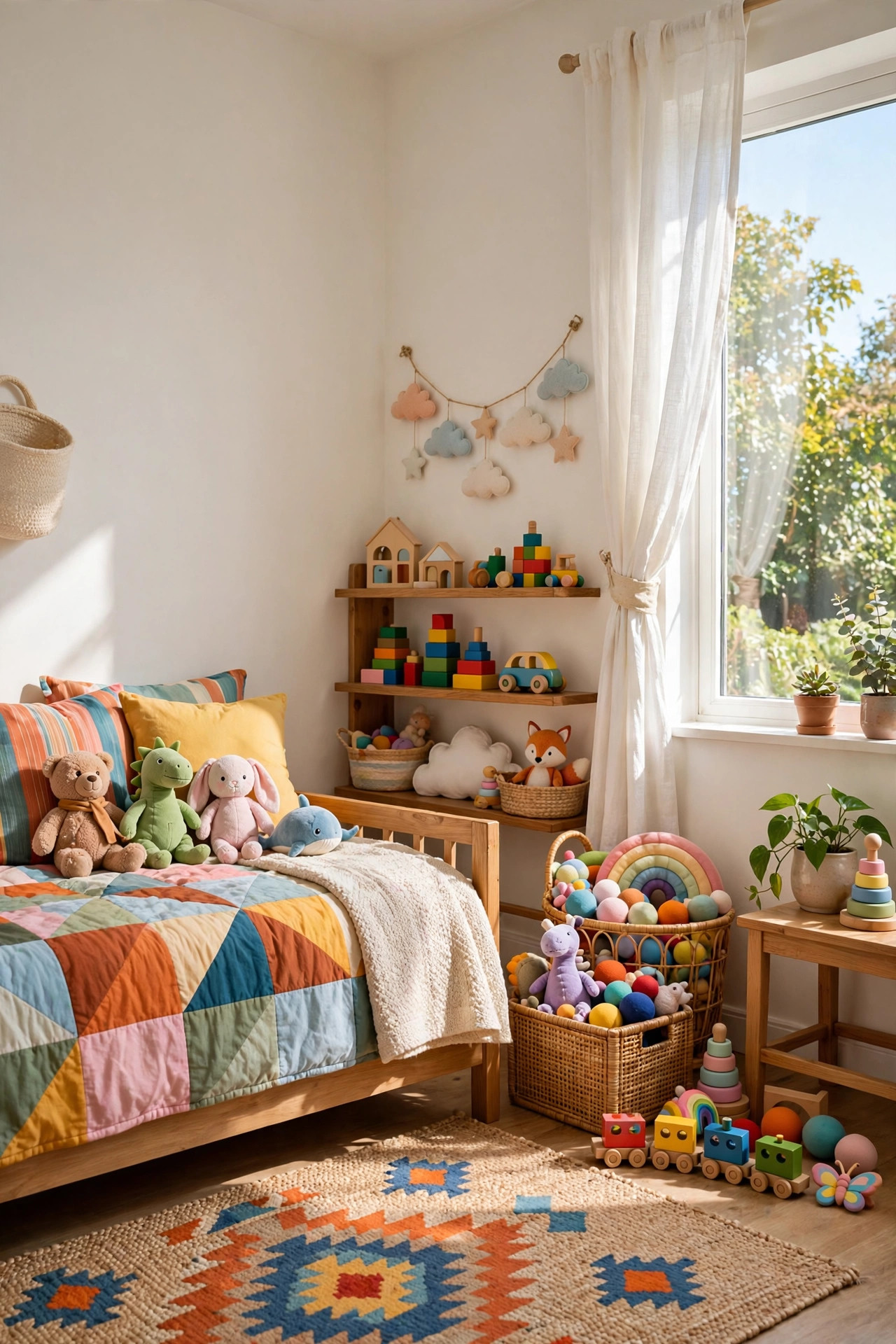
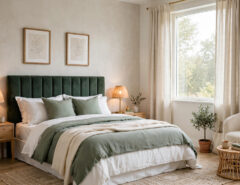
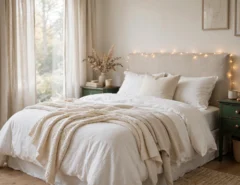
The problem: you paint the walls bright pink or character blue, and within two years your child has moved on, leaving you with another repainting job. The fix: keep the walls neutral and put the fun everywhere else. Warm white, soft gray, or pale beige walls work for a baby, a seven year old, and a teenager. They make the room feel bigger and brighter, and they let bedding, art, and toys provide the color. When tastes change, you swap the accessories, not the paint. Neutral walls also make the room easier to hand down to a younger sibling later, since they suit any age and any style. A calm background helps kids settle down at bedtime too, because the room feels restful instead of visually loud and busy.
Choose a washable paint finish since little hands touch everything. Eggshell or satin wipes clean easily, and it stands up to crayons, stickers, and the occasional mystery smudge. If your child begs for color on the walls, compromise with one removable wallpaper accent wall that peels off when they outgrow it. Peel and stick wallpaper comes in hundreds of kid friendly patterns and removes cleanly without damaging the paint underneath. Let your child help pick the pattern so they feel heard, but keep the other three walls neutral. This foundation saves you from repainting every two years, which is the biggest money saver in kids room decor, and it keeps the room feeling fresh through every phase.
2. Convertible Crib Bed
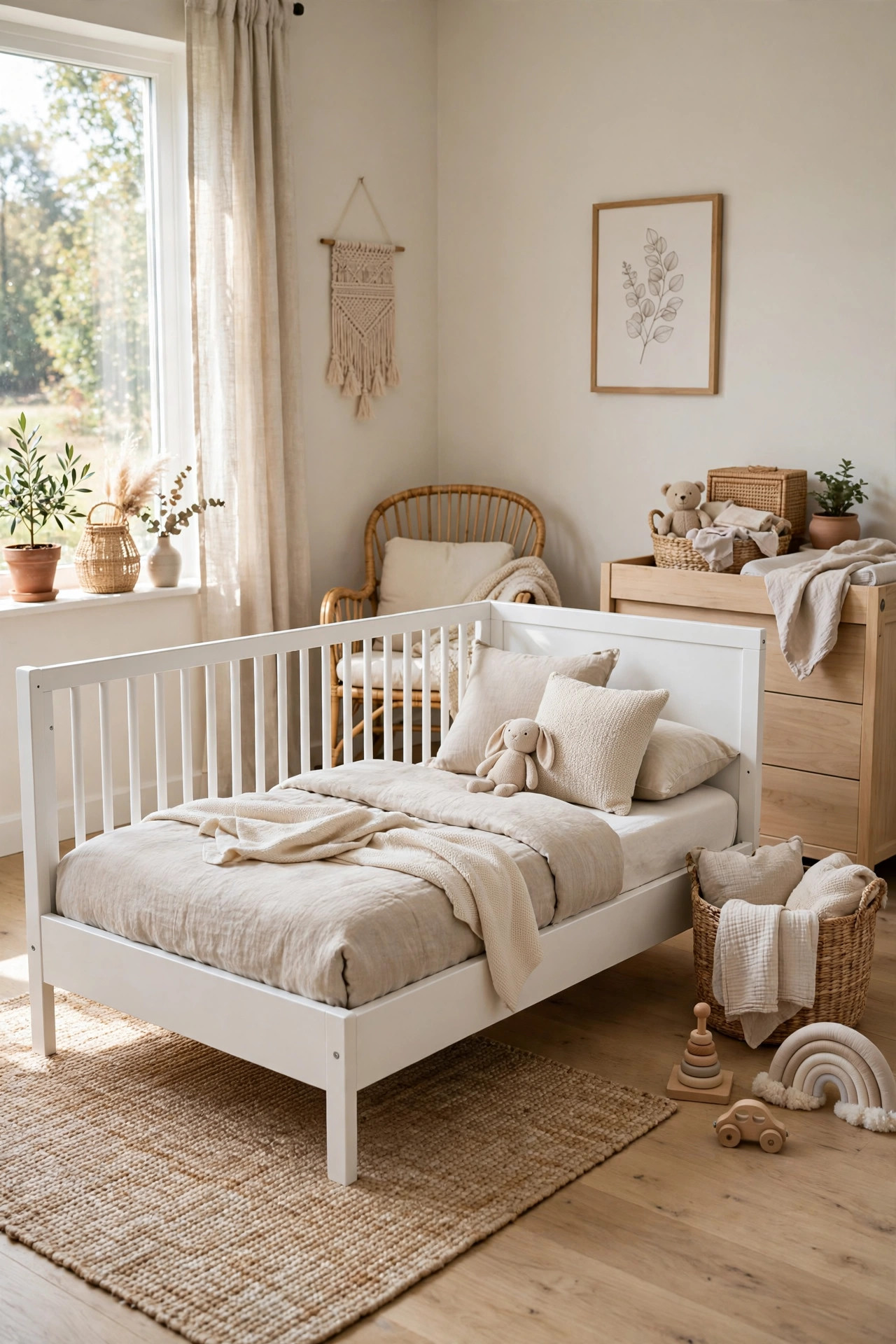
The problem: baby furniture gets outgrown in a blink, and buying a new bed every few years is expensive. The fix: a convertible crib that turns into a toddler bed and then a full size bed. You buy once and the bed grows with your child from infancy to the teen years. It is the single smartest furniture investment for a kids room. Think about the math: a crib, then a toddler bed, then a twin, then a full bed bought separately can cost three or four times more over the years. A convertible bed skips all of that waste and also saves you the hassle of shopping, assembling, and getting rid of old beds again and again.
Look for a sturdy convertible crib from a trusted brand with good safety ratings, and check that it meets current safety standards before you buy. The conversion kits are usually sold separately, so factor that into the budget and buy the kit early so it does not get discontinued later. Choose a simple classic style in white or natural wood that will suit any age, from nursery pastels to teen posters. A solid wood frame will survive years of jumping, climbing, and roughhousing. This bed can honestly last from birth to high school, which makes it worth every penny, and it is one less big decision to remake every few years.
3. Toy Storage Cubbies
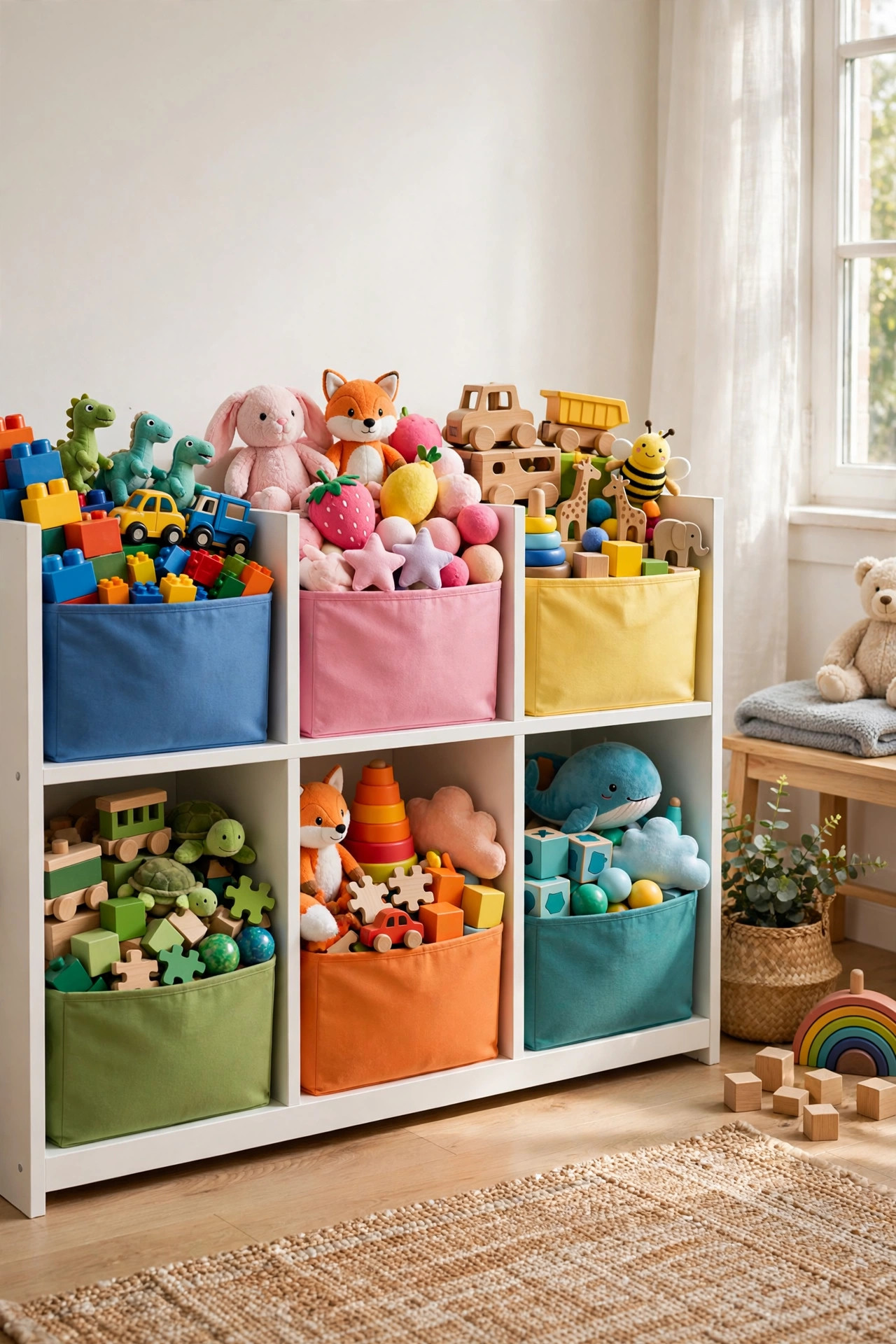
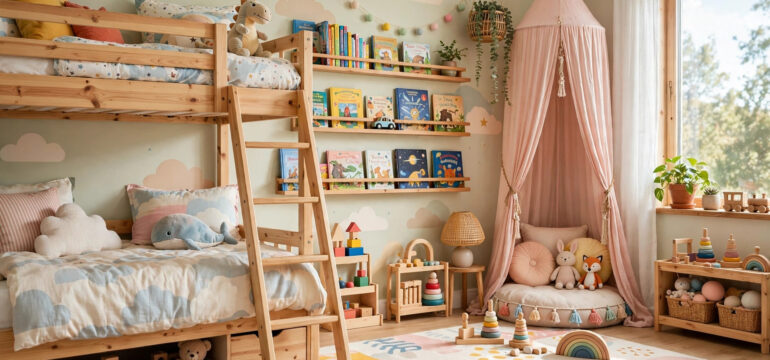
The problem: toys explode across the floor every single day, and the room never looks clean. The fix: low cubby shelves with bins that make cleanup a game even toddlers can play. When every toy has a visible home at child height, kids can actually put things away themselves instead of waiting for you to do it. The room goes from chaos to calm in ten minutes. This works because the system matches how kids think: they see the bin, they know what goes in it, and cleanup becomes sorting rather than tidying. Even a two year old can drop blocks into a block bin, which means the habit starts early.
Use a low cube shelf unit with fabric or plastic bins in different colors so each category is easy to spot. Label each bin with a picture for pre readers: cars, blocks, dolls, art supplies. Keep the unit against the wall and anchor it for safety, since kids will climb on anything. Rotate toys seasonally, storing half away in a closet, so the room feels fresh and there is less to clean at any one time. When the stored toys come back out months later, they feel brand new. This system turns the daily toy explosion into a manageable routine that the whole family can keep up.
4. Reading Corner Nook
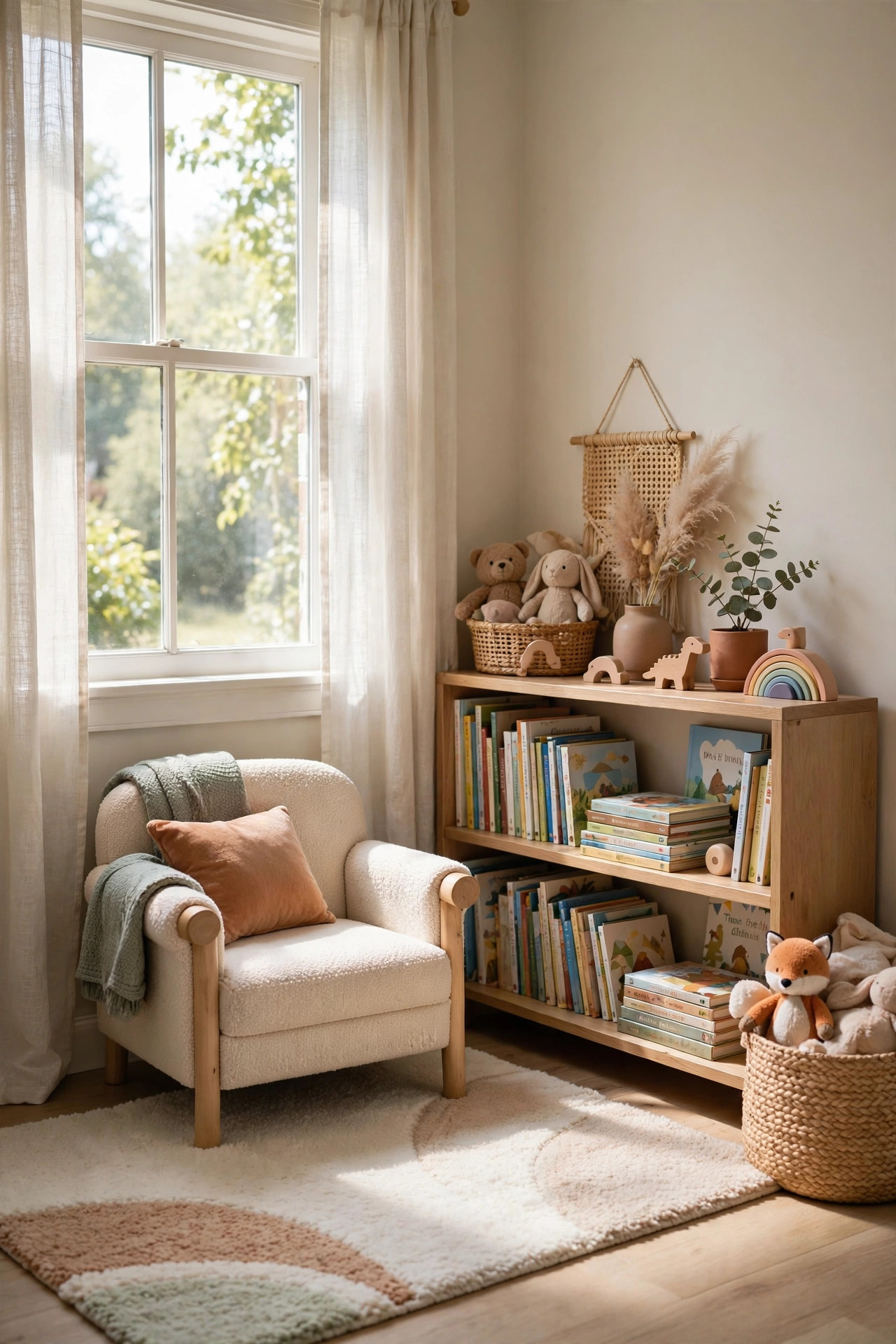
The problem: kids need a quiet spot to read and calm down, but their rooms are all bed and toys. The fix: a small reading nook that becomes their favorite place in the house. A corner with a comfy chair or floor cushions, a small bookshelf, and good light invites reading without any nagging. Kids who have a cozy reading spot read more, it is that simple. The nook also doubles as a calm down corner for big feelings, which every parent of a young child will appreciate. When the world feels too loud, kids retreat to small cozy spaces, and giving them one on purpose is a gift.
You only need a corner, even a tiny one. Add a beanbag or a small armchair, a low bookshelf with the covers facing out, and a soft rug to define the space. A wall mounted reading light or a small lamp makes it usable after dark and keeps it from feeling gloomy. Keep the book selection fresh by rotating from the library every couple of weeks, so there is always something new to find. Add one stuffed animal and a small blanket to make it feel like a nest. This nook costs little but gives your child a lifelong gift: a love of reading and a place that is all their own.
5. Growth Chart Wall
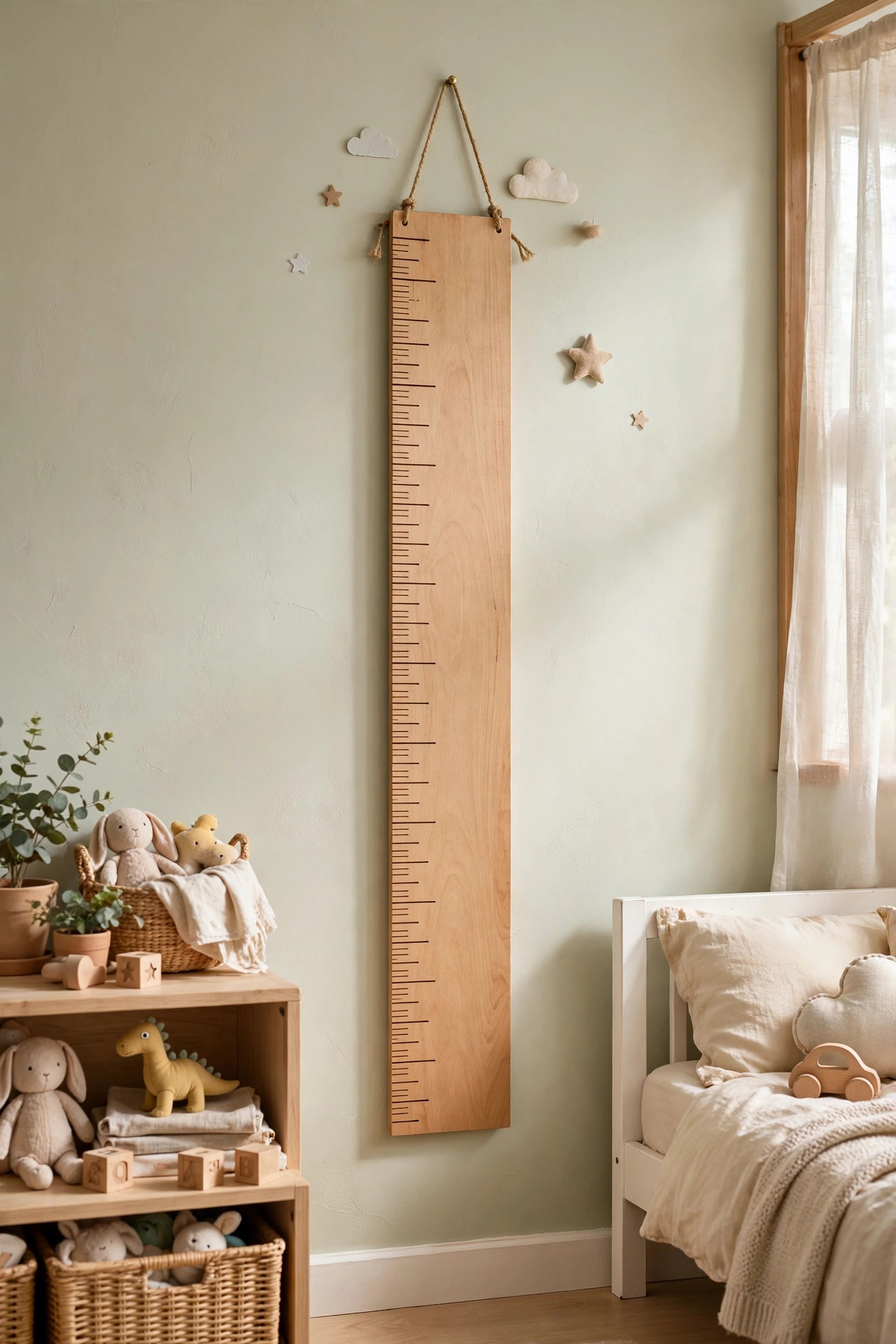
The problem: you want to remember how little they were, but pencil marks on the doorframe do not survive a move. The fix: a beautiful growth chart that moves with you. A wooden ruler style chart or a wall decal lets you mark every inch of growth, and it becomes a treasured keepsake. Kids love seeing how much they have grown, and measuring day becomes a little family celebration. Unlike marks on a wall, a portable chart survives every move and every repaint, so the memories stay intact no matter where life takes you.
Choose a wooden growth chart that hangs on the wall and can move to the next house. Mark heights with the date in permanent marker so the record is clear years later. Some families add a small photo at each mark, which turns the chart into a visual timeline of childhood. Hang it somewhere visible like the back of the door or beside the closet, where your child will see it every day. Make measuring a birthday tradition so no year gets missed. Years from now, this will be one of the most precious things from their childhood room, worth far more than its small price.
6. Desk That Grows
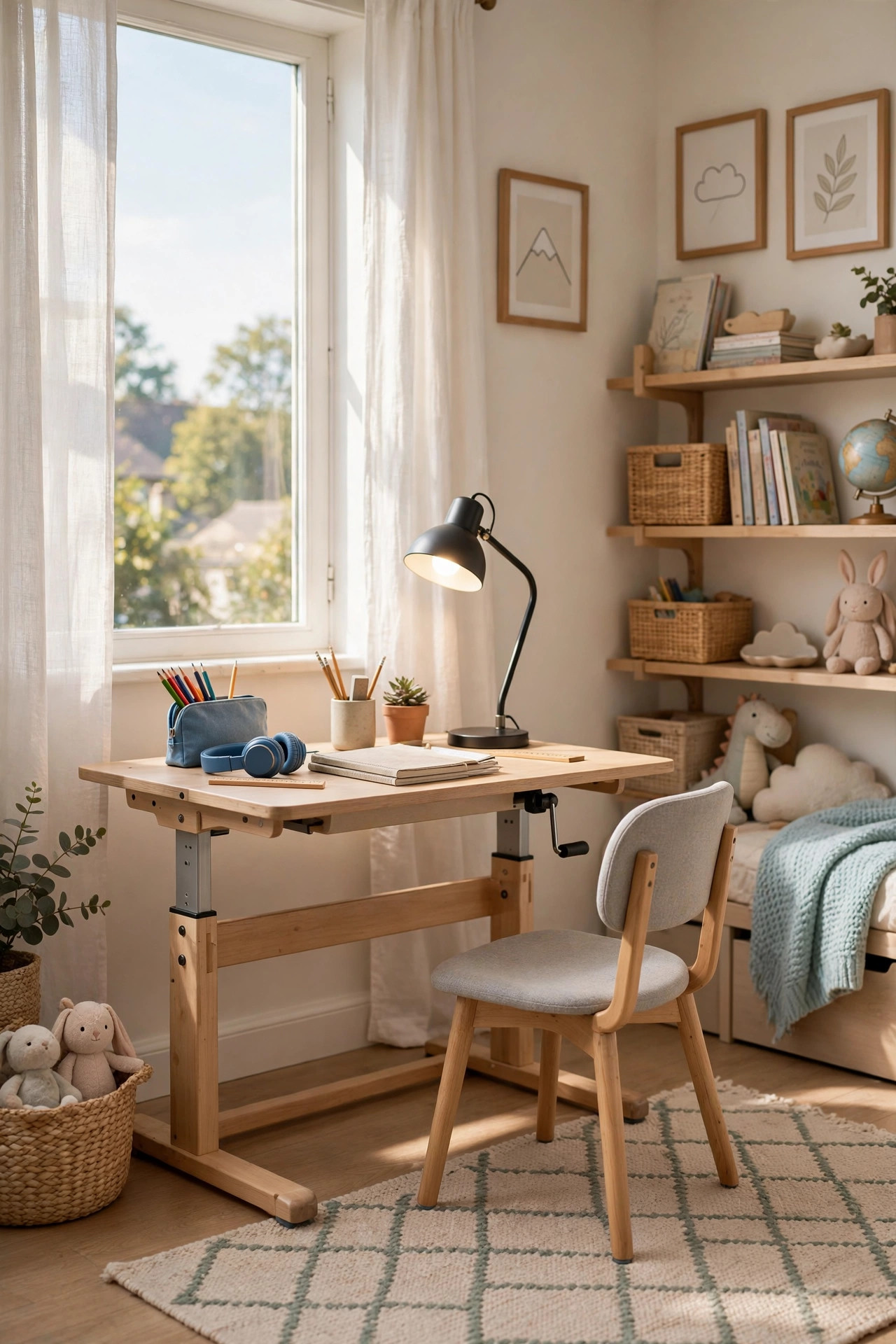
The problem: a desk that fits a six year old is useless for a twelve year old, but homework is not going away. The fix: an adjustable height desk, or a simple table with a good chair that you upgrade over time. A dedicated homework spot keeps schoolwork out of the kitchen and teaches focus. The key is a surface at the right height with good light. When kids have their own work zone, homework stops spreading across the whole house, and they learn to associate that spot with getting things done. It also protects your dining table from glue, glitter, and science projects.
Adjustable desks that crank up and down are widely available now and worth the investment, since they adapt from first grade through high school. Pair it with an ergonomic chair sized for your child, and upgrade the chair as they grow. Add a desk lamp and a small organizer for supplies so everything has a place. Keep the desk facing a wall or window, away from the bed, to signal work mode and reduce distractions. A corkboard above the desk holds schedules and reminders. This station will serve from first grade through high school, making it one of the hardest working corners of the room.
7. Chalkboard Paint Wall
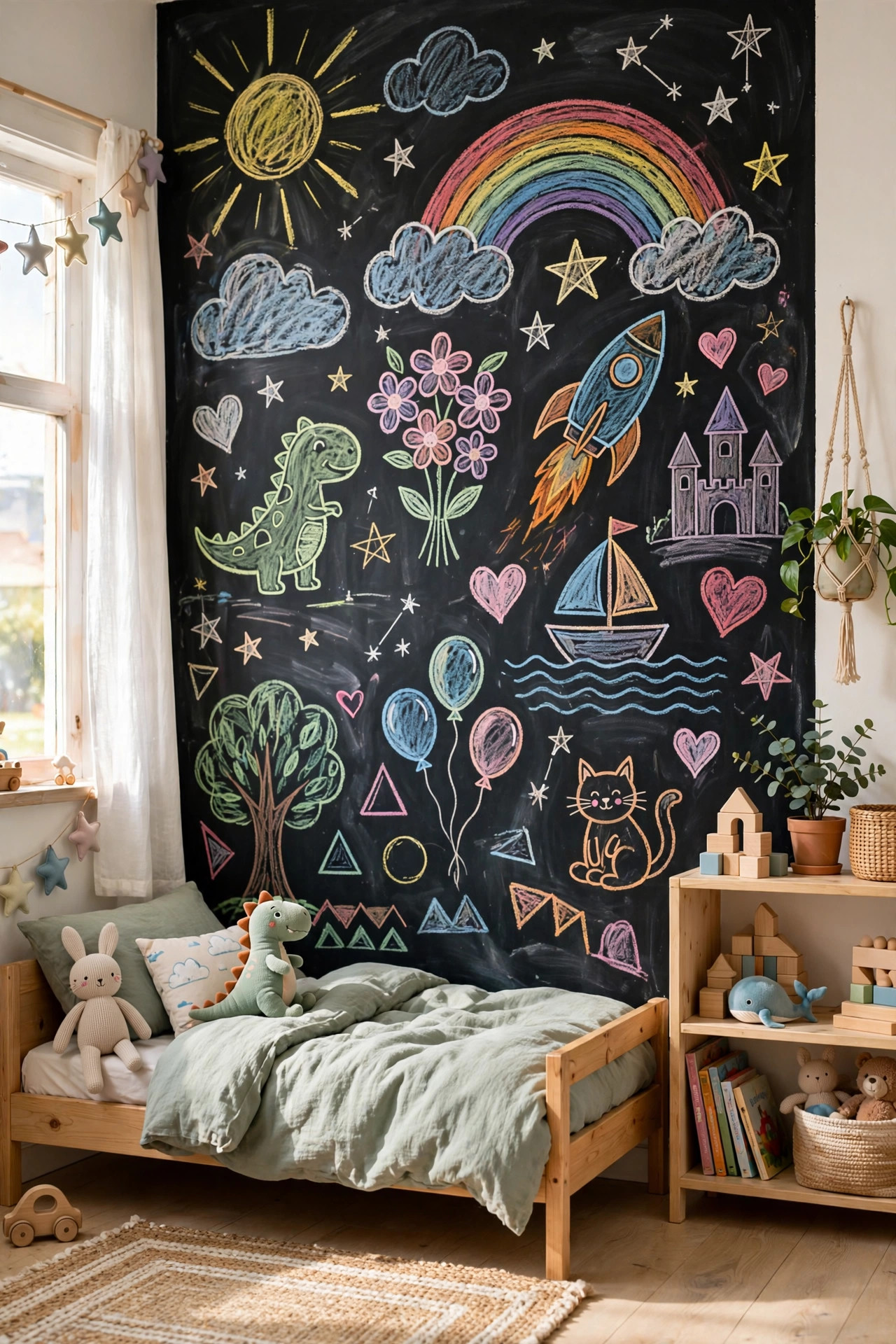
The problem: kids draw on walls no matter what you say, and you cannot stop creativity. The fix: give them a wall that is meant for drawing. A chalkboard paint wall or a large chalkboard panel turns the urge to draw into sanctioned fun. They can draw, erase, and start over endlessly. It satisfies the creative impulse without ruining your paint. Instead of fighting the instinct, you channel it, and the rest of your walls stay safe. Teachers use this same trick in classrooms because it works: when drawing is allowed in one clear place, kids respect the boundary everywhere else.
Use proper chalkboard paint in black or a fun color, applied over a smooth primed wall for the best writing surface. Frame the area with molding so it looks intentional and finished, not like an unfinished project. Keep chalk and an eraser in a small tray nearby so supplies never wander. For less commitment, a big framed chalkboard works the same way and can move to another room later. Dustless chalk keeps the mess down, and a damp cloth wipes the board fully clean. This wall will be the most used surface in the room, and it costs less than repainting one damaged wall.
8. Under Bed Drawers
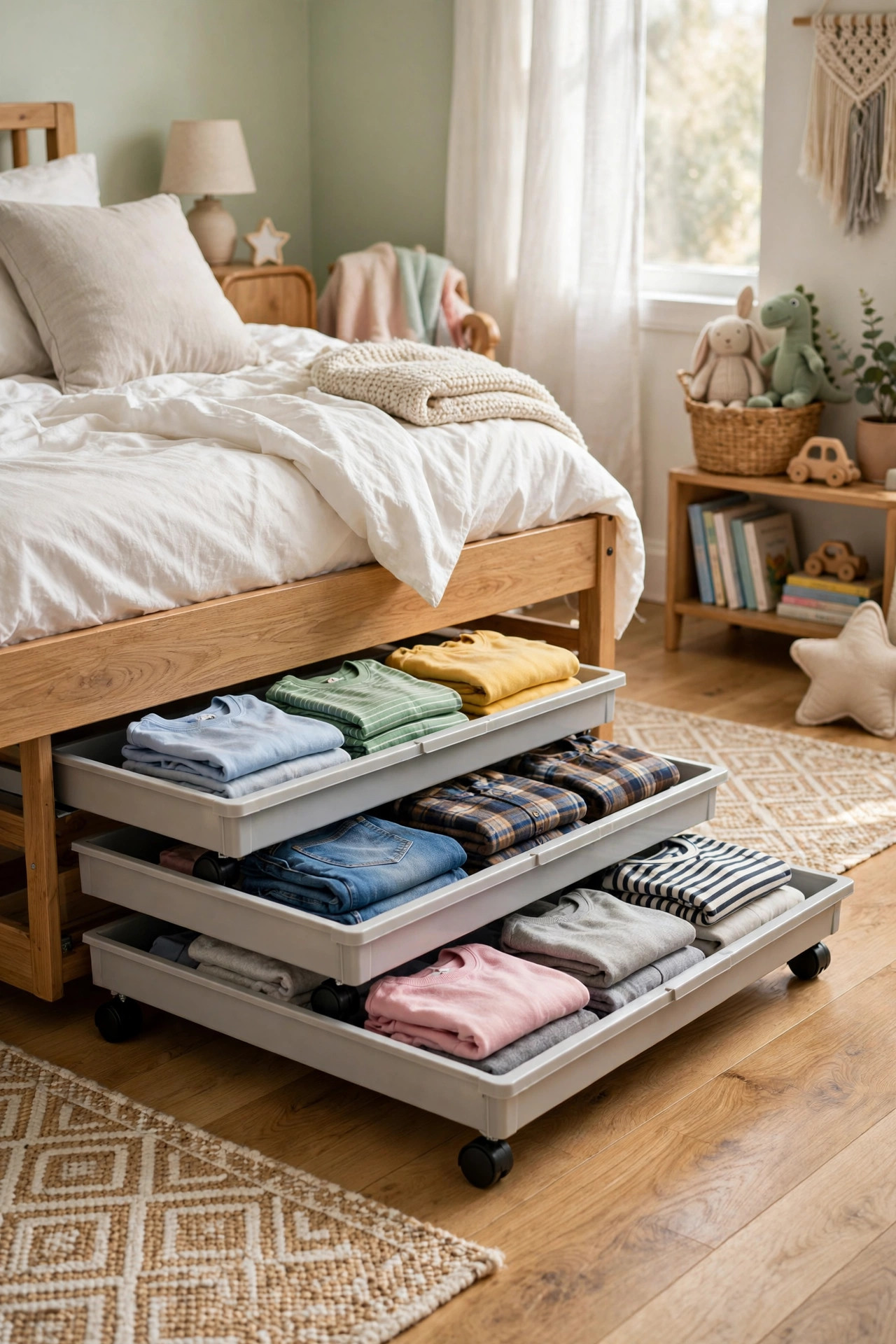
The problem: kids rooms are small and storage is never enough. The fix: the space under the bed, which is usually wasted on dust bunnies. Rolling drawers or bins under the bed hold out of season clothes, extra bedding, or toy overflow. It is free storage you already own. Most beds hide two to four cubic feet of unused space, which is like gaining an extra dresser without buying one or giving up a single inch of floor. In a small room, that hidden capacity can be the difference between tidy and chaotic.
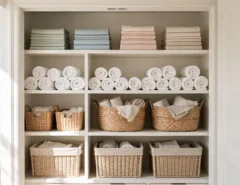
Measure the clearance under the bed before buying drawers so you get the right height. Low rolling bins with lids keep dust out and slide easily on wheels or smooth bottoms. Label them so kids know what goes where, which keeps the system working without your help. If the bed sits too low, inexpensive risers add the needed height in minutes. Store off season clothes, spare sheets, and the toy overflow that does not fit in the cubbies. This hidden storage can swallow an amazing amount of stuff, and nobody ever sees it. Vacuum sealed bags squeeze bulky winter bedding into flat packs that slide underneath easily.
9. Display Art Gallery
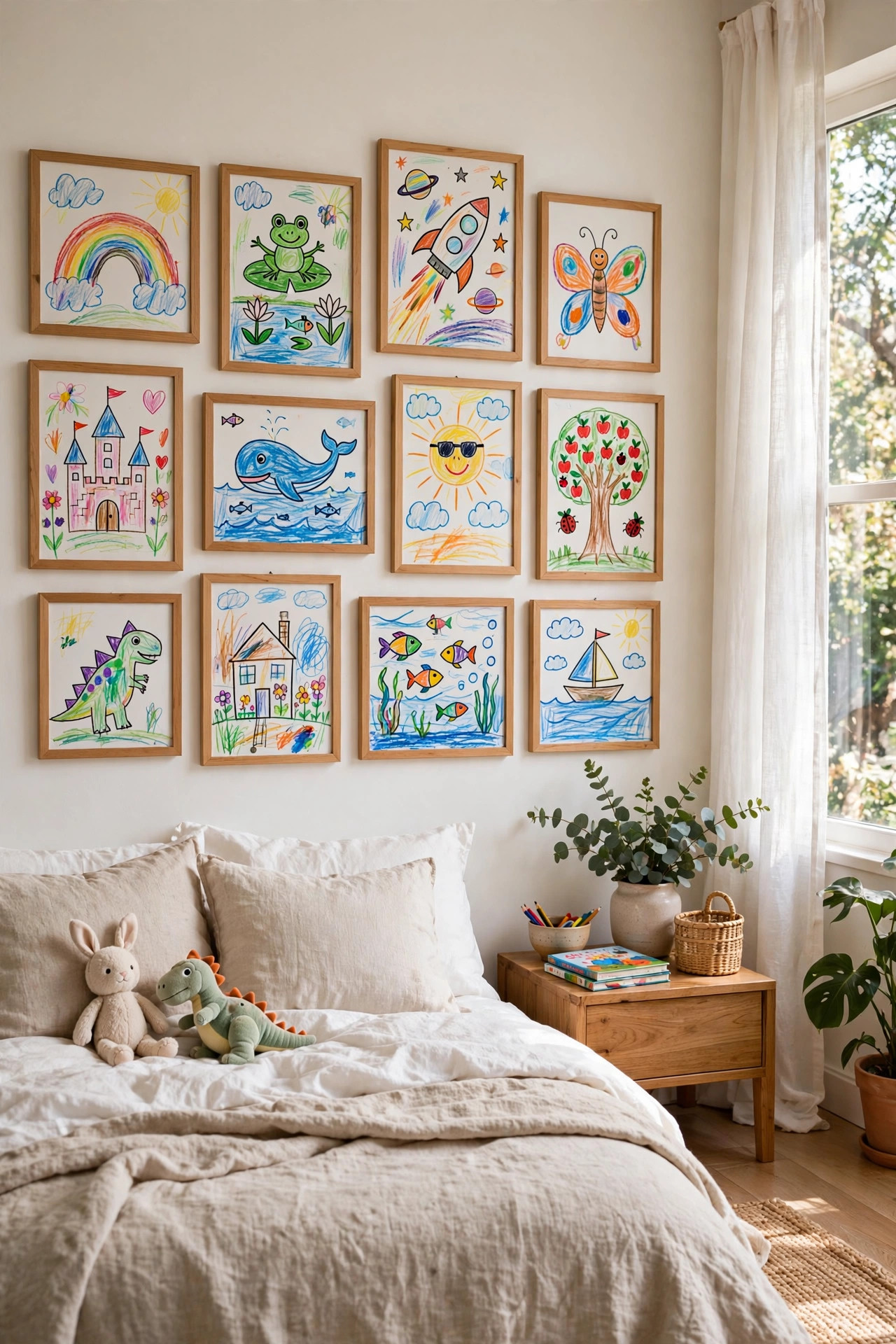
The problem: your child makes mountains of artwork and you feel guilty throwing it away. The fix: a dedicated gallery wall where their art gets the museum treatment. When kids see their work framed and displayed, their confidence soars. It also keeps the fridge door clear and the paper piles under control. Children take pride in what gets displayed, and a gallery tells them their creativity matters to the family. It also gives grandparents and visitors something wonderful to admire, which makes kids beam.
Hang a row of simple frames with easy open backs so you can rotate art often without a struggle. Or string a wire with clips for a casual rotating display that holds even oversized pieces. Let your child curate which pieces go up, since choosing builds decision making skills. Store the rest in a labeled portfolio box, one per year, so nothing precious gets lost. Photograph the 3D crafts before they fall apart. This gallery celebrates their creativity and keeps the paper piles under control, and it becomes a timeline of how their skills grow. Swap pieces monthly so the display always feels fresh and every child gets a turn in the spotlight. Dating the back of each piece helps you track their progress over the years.
10. Themed Bedding Sets
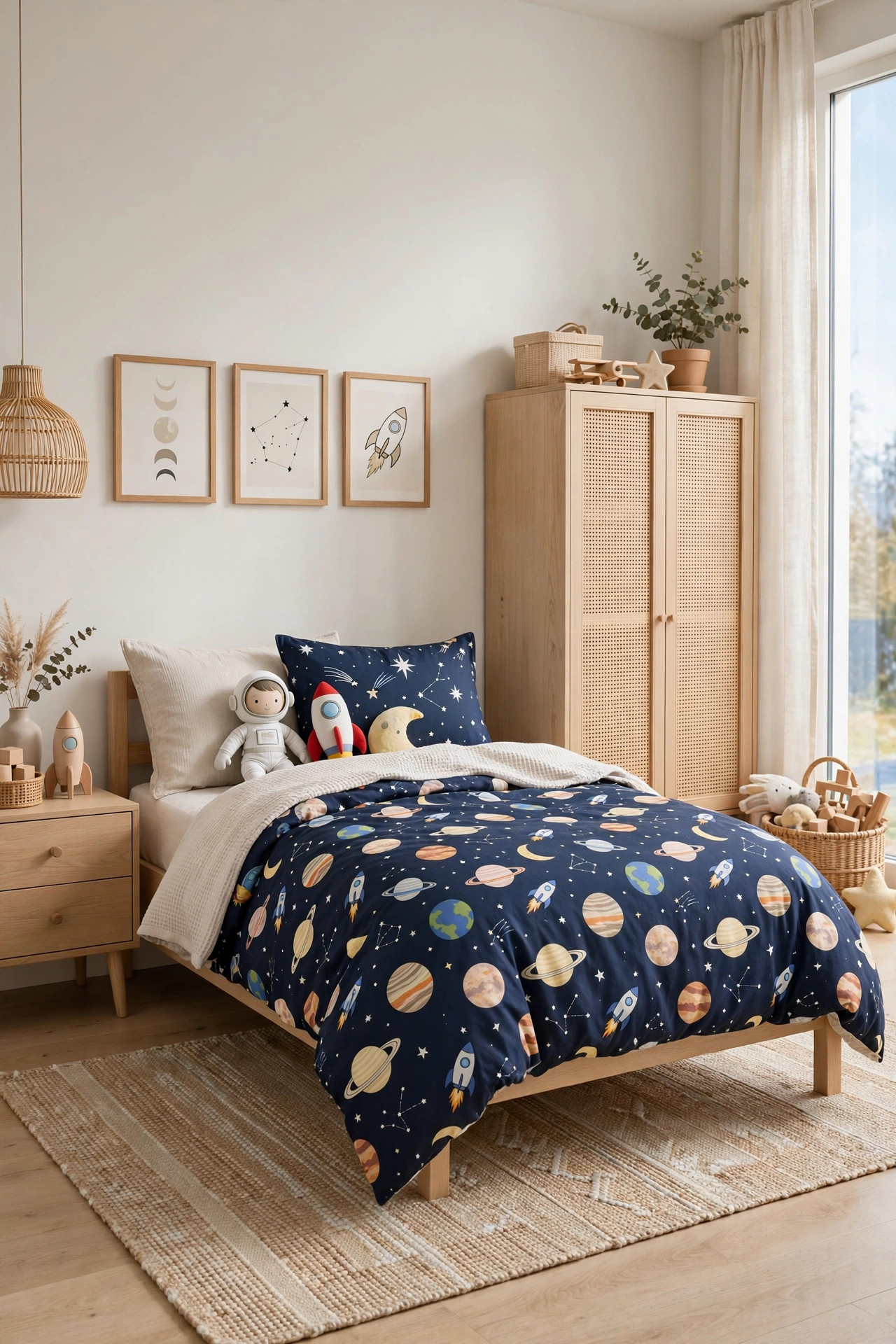
The problem: your child is obsessed with space this year and ocean creatures next year. The fix: keep the big furniture neutral and let bedding carry the theme. A new duvet cover costs a fraction of new furniture and completely changes the room’s personality. Space today, jungle tomorrow, no repainting required. This is the cheapest way to give kids a room that feels brand new whenever their interests shift. It also ends the begging for a full room makeover, because you can say yes to a new duvet set without saying yes to a huge bill.
Invest in good quality neutral sheets and swap only the duvet cover and pillowcases for themes. Let your child pick the theme, it is their room and their excitement matters. Store off season sets in the under bed drawers so the swap takes five minutes. Add one or two matching accessories, like a themed throw pillow or wall decal, to complete the look. When the phase passes, the old set goes back into storage for a younger sibling. This is how you honor their changing passions without going broke, and the room always feels current. A themed throw blanket on the bed adds extra coziness for very little money.
11. Night Light Magic
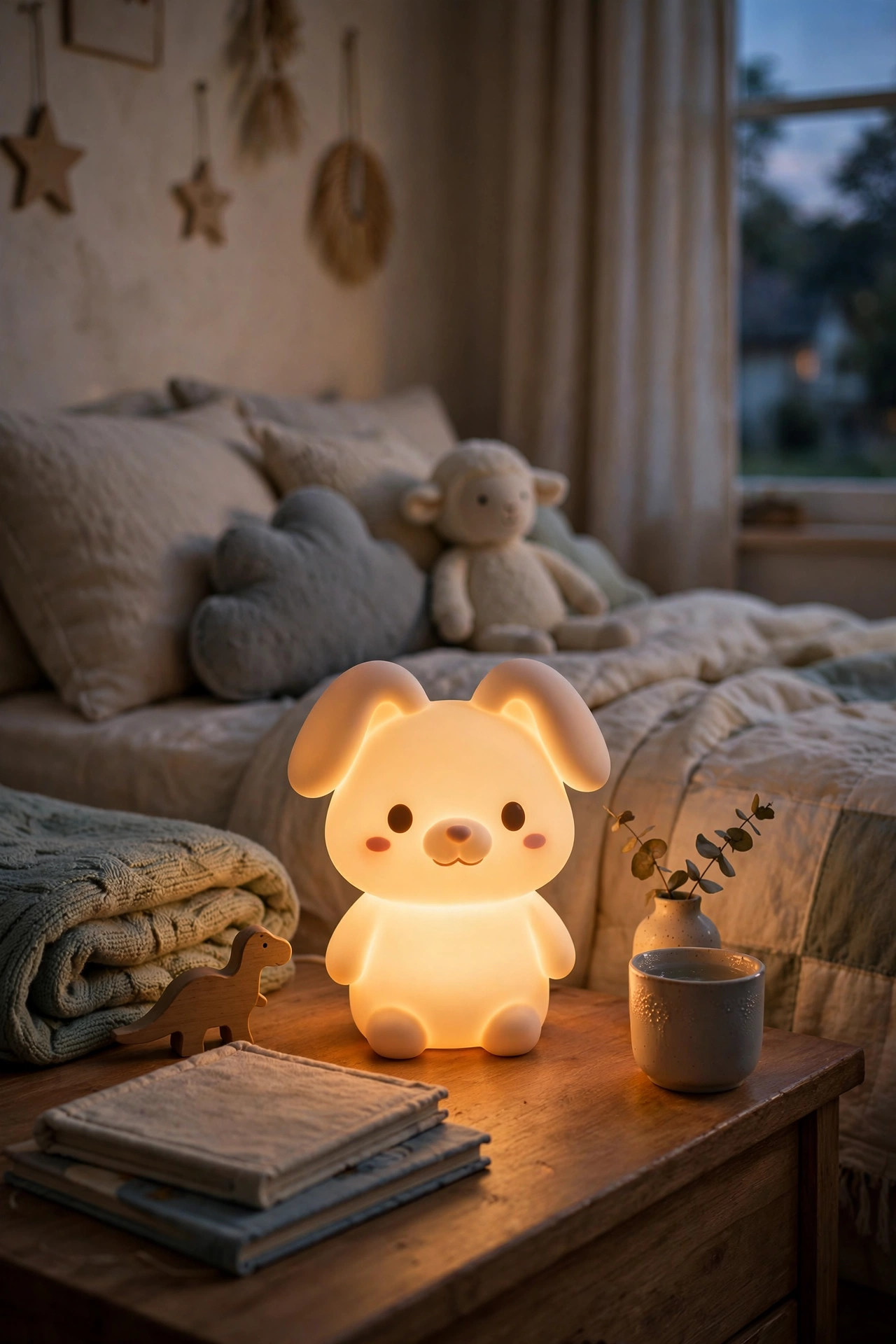
The problem: kids are afraid of the dark, but a bright overhead light ruins sleep. The fix: a gentle night light that makes the dark feel safe. A warm glowing night light, a star projector, or a cute animal lamp turns bedtime from scary to cozy. Good sleep is worth everything. When children feel safe in the dark, they fall asleep faster and stay asleep longer, which means better mornings for the whole family. Bedtime battles shrink when the room itself feels like a protector rather than a threat.
Choose a warm toned light, not blue white, since warm light supports sleep and blue light keeps brains alert. Star projectors that paint constellations on the ceiling are magical for anxious kids and give them something calming to watch. Put the light on a timer so it turns off after they fall asleep, saving energy and teaching healthy sleep habits. Keep the brightness low, just enough to see shapes, not enough to read by. Let your child pick the lamp style so it feels like their guardian. This small glow makes a big difference in how safe the room feels. A dimmer plug lets you fine tune the brightness as they grow braver.
12. Closet Organization System
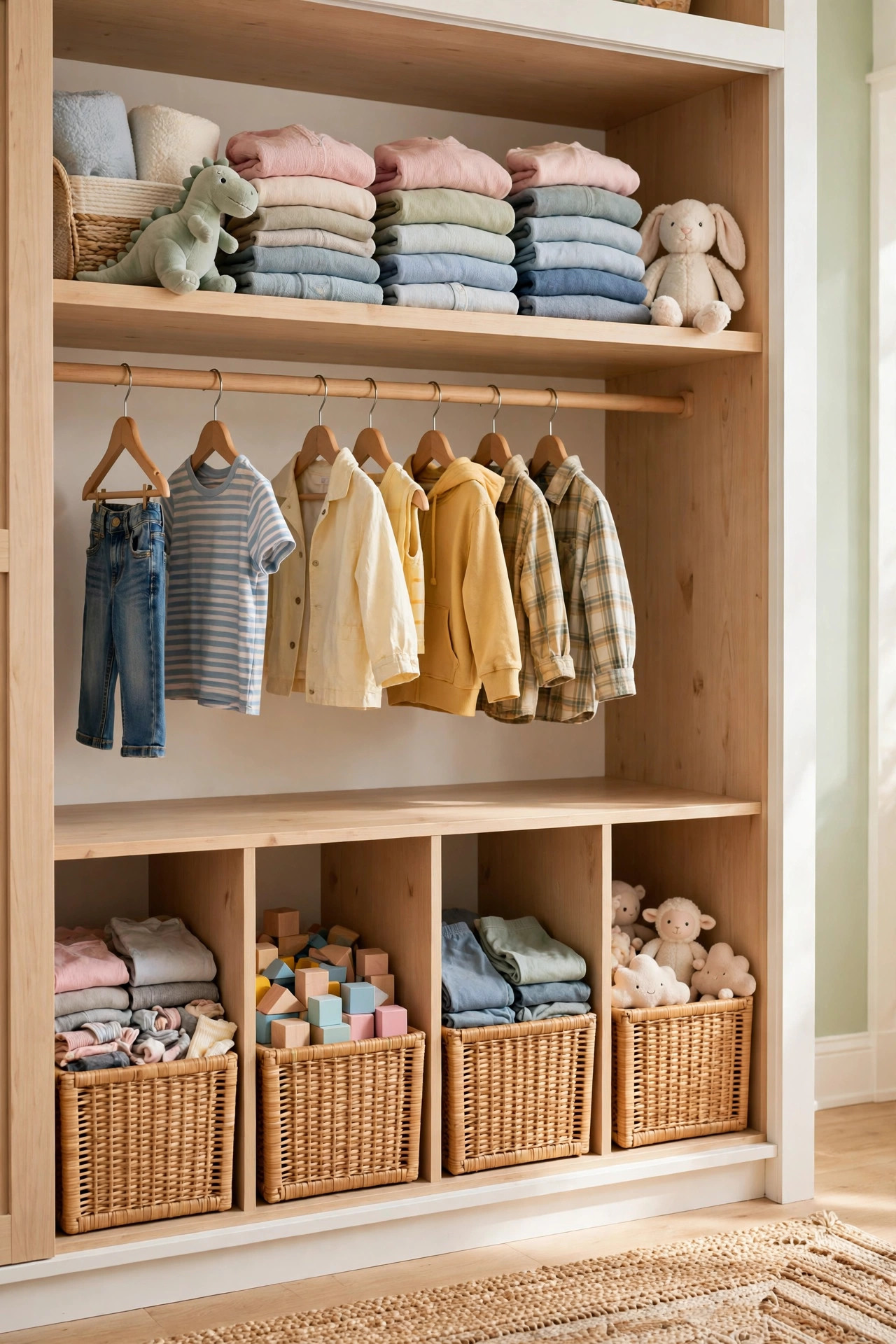
The problem: the closet becomes a black hole where clothes disappear. The fix: a simple closet system with low rods and labeled bins that kids can actually use. When children can reach their own clothes, they dress themselves and put laundry away. The morning routine gets dramatically easier. No more digging through piles while the school bus waits outside. A closet kids can manage builds independence, and it ends the daily battle over getting dressed on time.
Lower one rod to child height for everyday clothes, keeping special occasion outfits higher up. Add labeled bins for socks, pajamas, and accessories so small items never vanish. Use matching hangers so everything looks tidy and clothes do not slip off. A small step stool helps them reach higher shelves safely. Sort clothes by type or by day of the week to make mornings even faster. Purge outgrown clothes each season so the closet never overflows. This system teaches independence while keeping the closet functional, and it gives you back calm mornings. Review the setup twice a year and adjust rod heights as your child grows taller. A picture label on each bin helps even toddlers put laundry in the right place.
13. Bunk Bed Space Saver
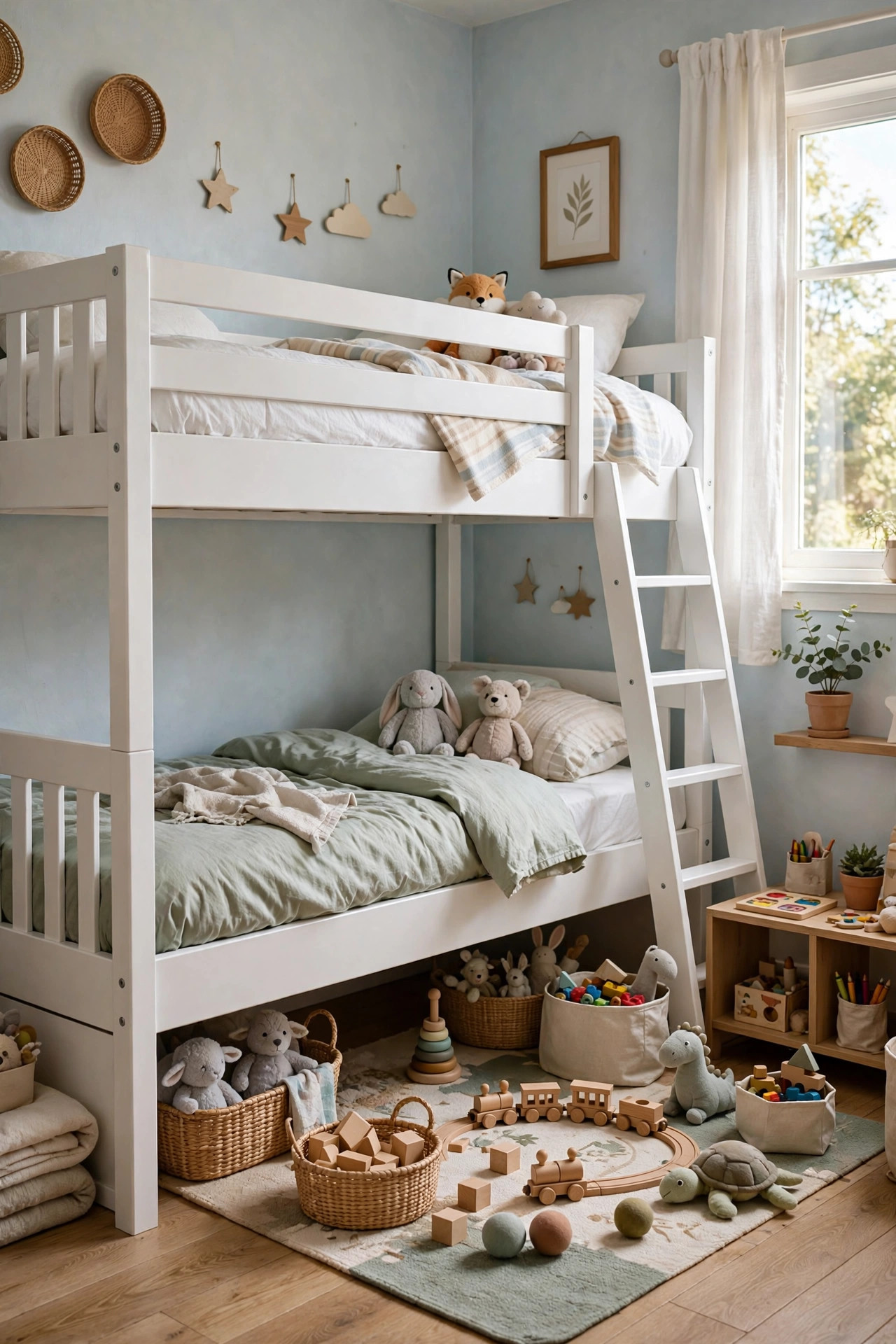
The problem: two kids share one small room and there is no floor space left to play. The fix: a bunk bed that stacks the sleeping vertically and frees the floor. Suddenly there is room for a desk, a play area, or just open space. For siblings sharing, this is transformative. The freed floor space can hold a small desk for homework, a rug for playing, or simply give two kids room to exist without stepping on each other. Sharing a room gets much easier when the floor is not fully covered by beds.
Choose a sturdy bunk with guardrails and a safe ladder, and check the weight limits before you buy. The lower bunk can become a cozy reading cave with curtains, giving each child a private feeling spot. Make sure the ceiling is high enough for the top bunk sleeper to sit up without hitting their head. Anchor the bed to the wall for safety, since kids will treat it like playground equipment. Set clear rules about the top bunk from day one. This one piece of furniture can double the usable space in a shared room, and it often ends sibling fights over space. Let each child pick their own bedding to mark their territory.
14. Homework Station Caddy
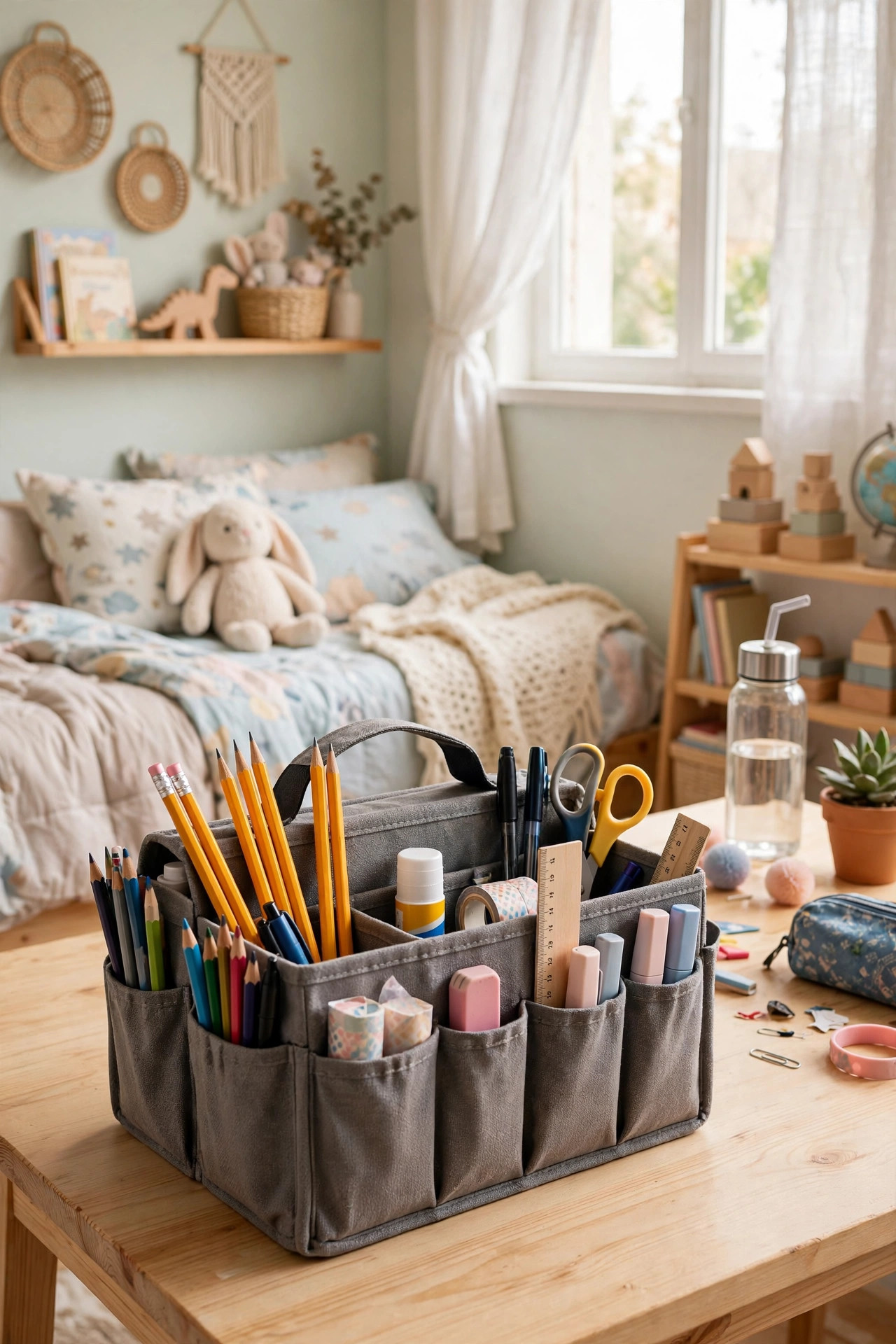
The problem: school supplies migrate all over the house and homework time becomes a treasure hunt. The fix: a portable caddy that holds everything in one grab and go container. Pencils, crayons, scissors, glue, all in one place. Homework starts in seconds instead of after a twenty minute search. This removes the biggest excuse for delaying homework: I cannot find my stuff. When the barrier to starting is zero, kids actually start, and parents stop playing supply detective every evening.
Use a handled caddy with compartments from any office store, and pick one sturdy enough to survive daily carrying. Let your child decorate it with stickers so it feels like theirs and they take ownership of it. Keep it stocked and store it on the desk or a shelf where it is always visible. When homework moves to the kitchen table, the caddy moves too, so the system works anywhere. Do a weekly restock together to replace broken crayons and dried out markers. This tiny organizer removes a daily friction point and teaches kids to keep their tools ready. A second caddy for art supplies keeps homework and creative projects separate. Refill it on Sundays so Monday starts smooth.
15. Fun Wall Decals
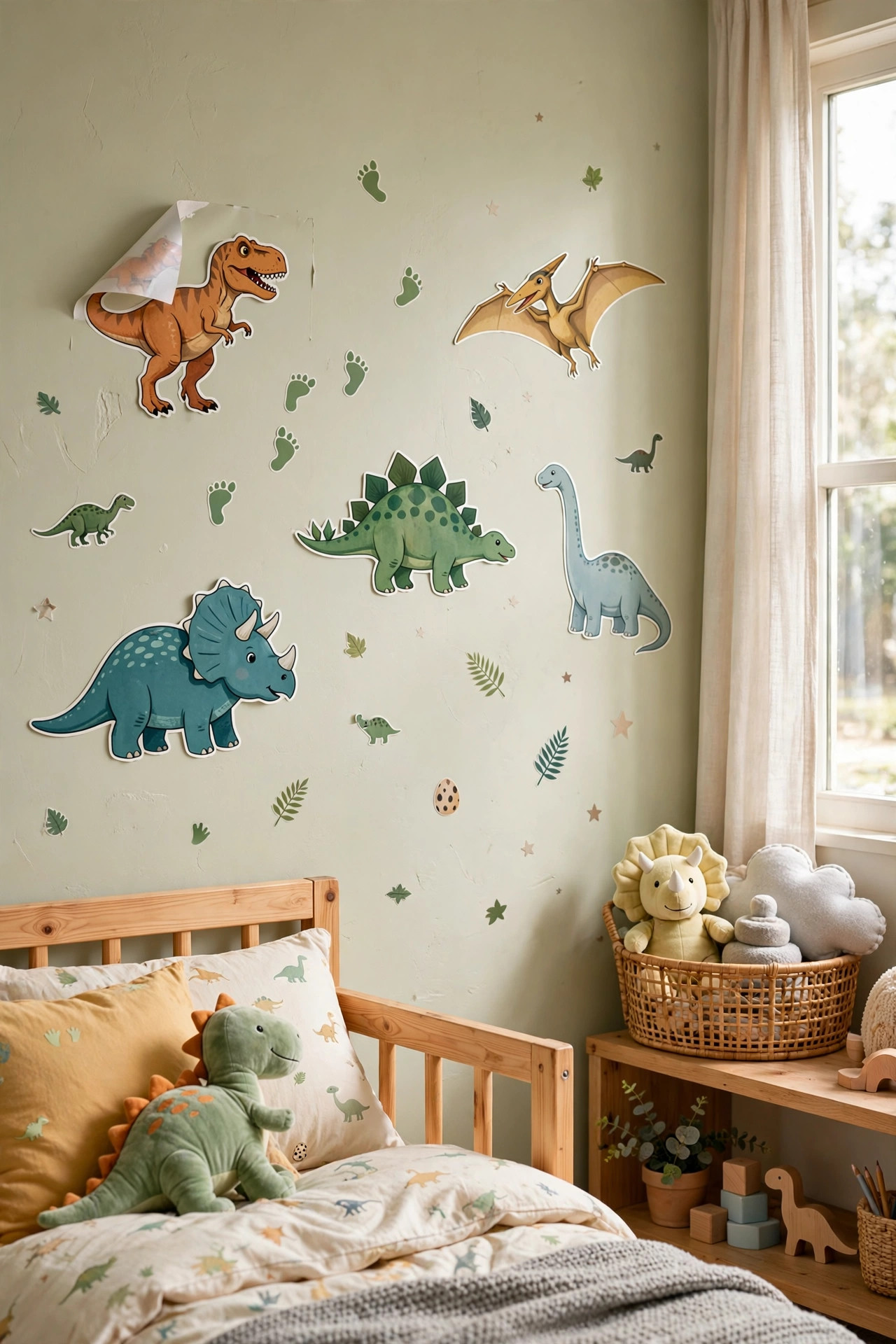
The problem: your child wants a themed room but you know the theme will expire. The fix: removable wall decals that deliver big theme energy with zero commitment. Dinosaurs, stars, jungle animals, applied in an afternoon and peeled off clean when tastes change. The room transforms without a drop of paint. This is the answer to every parent who dreads the phrase I want a pirate room, because you can say yes today and peel it away next year. Decals give kids the themed room of their dreams at a tiny fraction of the cost.
Decals work best on smooth clean walls, so wipe the surface before applying. Let your child help place them, it is part of the fun and they will love the result more. Choose high quality vinyl that removes cleanly without pulling paint. Start with a small set and add more later if the theme sticks. When the phase passes, peel them off and start fresh with the next obsession. Save the backing sheets in case you want to reuse them. This is the ultimate low risk way to do themes, and it keeps both kids and parents happy. Removable decals also work great on closet doors and mirrors.
16. Cozy Canopy Corner
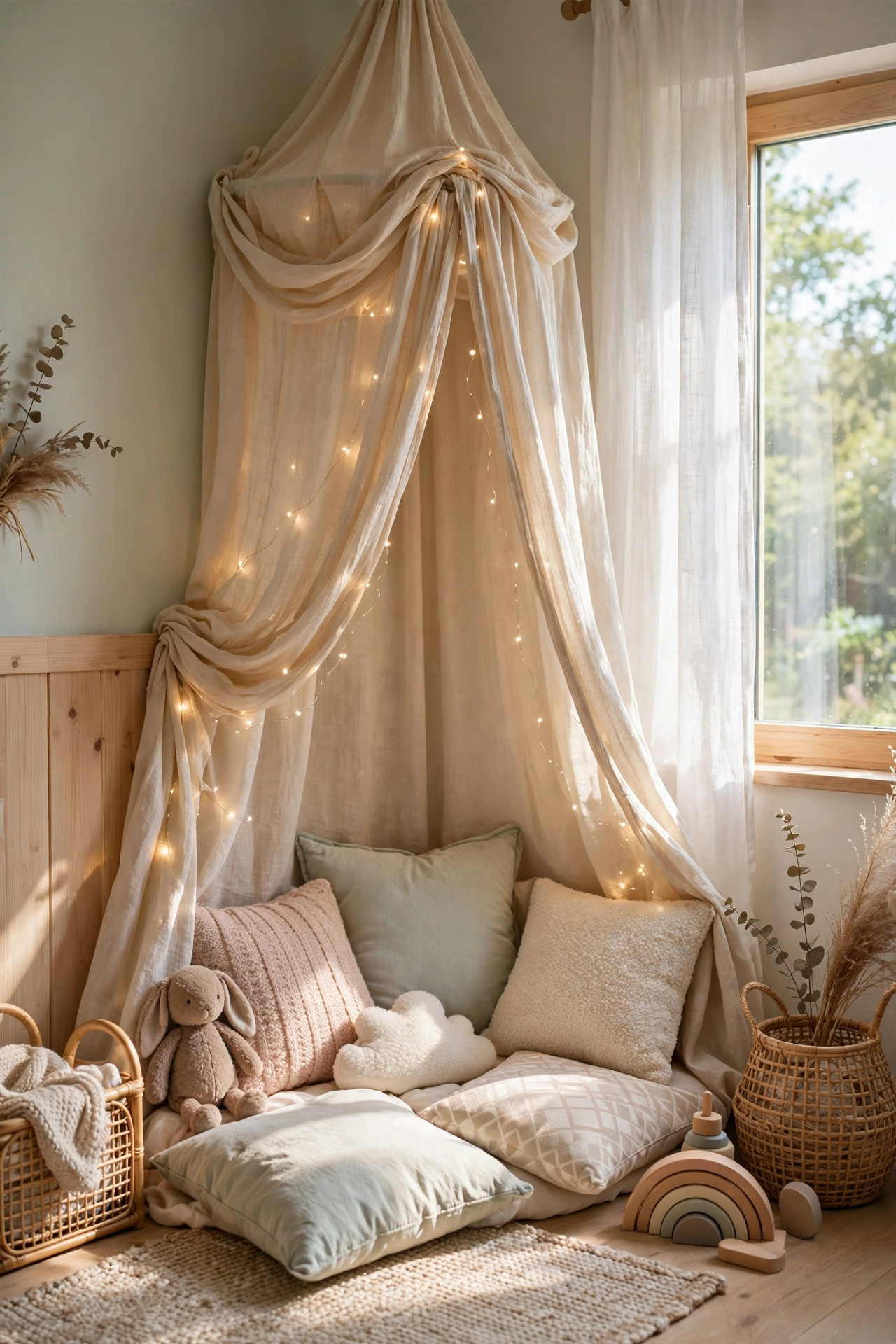
The problem: kids need a private hideaway, but you cannot build them a treehouse indoors. The fix: a fabric canopy that creates an instant hideout. Draped over a corner of the bed or a floor cushion, a canopy turns ordinary space into a fort, a castle, or a quiet cave. Every child deserves a secret spot. Kids use hideaways to play pretend, to read, and to calm down when feelings get big. A canopy gives them a place that feels separate from the rest of the room, which is powerful in a small space they share with siblings.
Hang a canopy from a ceiling hook with a proper anchor rated for the weight. Choose washable fabric in a color that matches the room so it looks intentional, not messy. Add fairy lights and cushions inside for maximum coziness, and keep the lights battery operated for safety. Make sure it hangs high enough to be safe and does not block walkways. Let your child choose what lives inside their hideout. This dreamy corner will be the most loved spot in the room, and it costs very little to create. A small battery fan keeps the air moving inside on warm days.
17. Sports Gear Storage
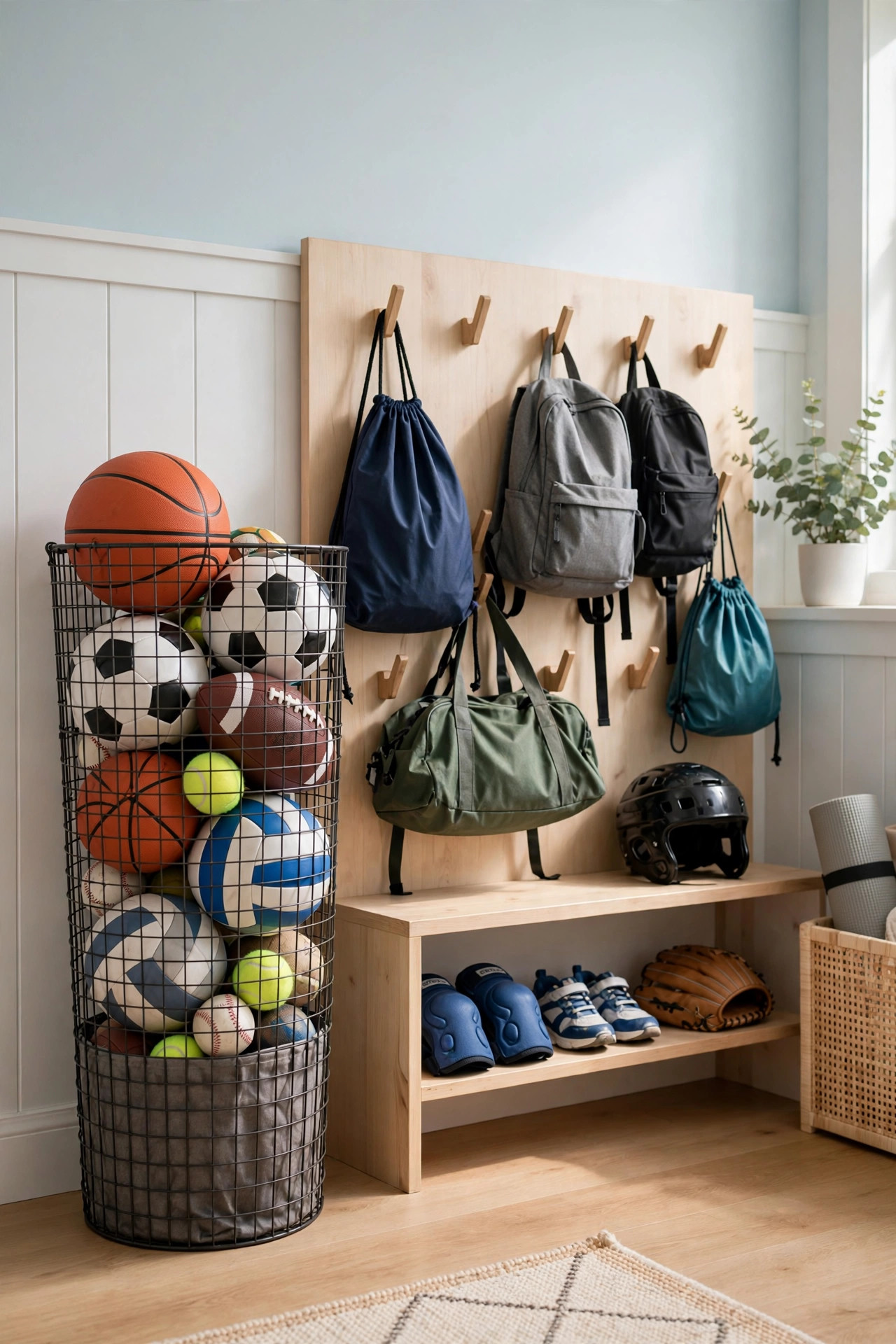
The problem: balls, bats, and helmets pile up by the door and roll everywhere. The fix: dedicated sports storage that contains the chaos. A tall bin for balls, wall hooks for bags, and a shelf for trophies keeps gear organized and off the floor. Active kids need systems as much as studious ones. Without a system, sports gear spreads through the whole house and gets damaged, lost, or left outside in the rain. A dedicated zone protects the investment you made in that equipment and teaches kids to care for their things.
Use a large mesh bin for balls so they air out and do not get musty. Install sturdy hooks at kid height for backpacks and bags, anchored into studs to hold the weight. A simple shelf displays trophies and medals proudly, which motivates kids to keep earning them. Keep the zone near the door they use most so gear never travels through the house. Label each spot so even young kids know where things go. This zone respects their passions while protecting your floors, and it makes leaving for practice a grab and go affair. A bench nearby gives them a place to sit while lacing up shoes.
18. Book Ledge Shelves
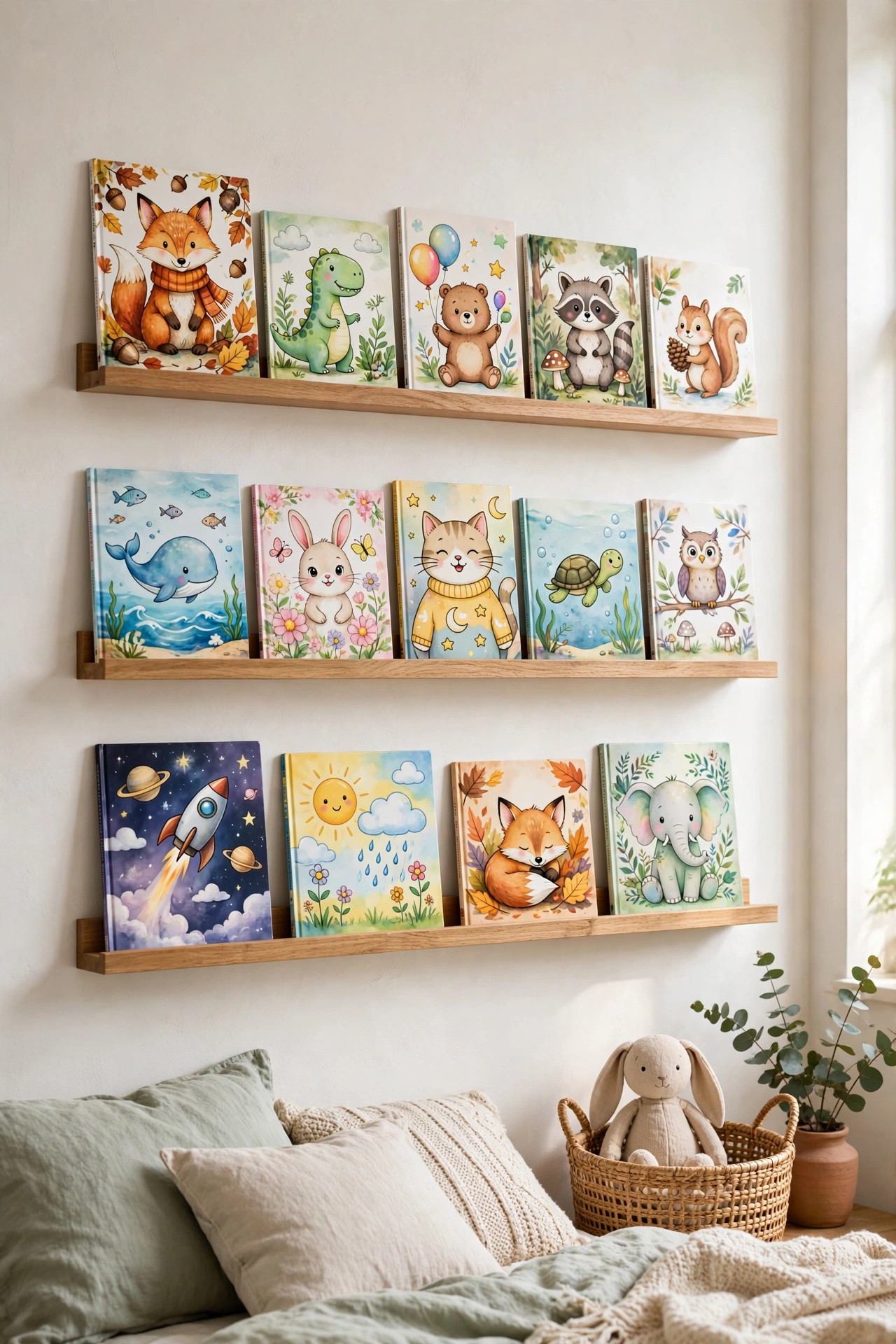
The problem: books piled on the floor get ruined and never get read. The fix: shallow ledge shelves that display books with their covers facing out. Kids choose books like they choose candy, by the cover. When they can see the covers, they read more. These shelves turn books into wall art. A traditional bookshelf hides covers and shows only spines, which means nothing to a young child. Front facing display works the way bookstores work, and bookstores know how to sell books to browsers of all ages.
Mount narrow picture ledges at child height along one wall, using proper anchors for safety. Face the books outward, rotating the display like a bookstore every few weeks to keep it fresh. Keep the shelves shallow so books do not topple, and do not overload them. Anchor everything securely since kids will pull books off daily. Mix in a few of their favorites with new library books to encourage trying new stories. This display makes reading irresistible, and it doubles as colorful wall decor that changes all the time. Kids love rearranging the covers themselves, which keeps them engaged with the shelf. A small step stool nearby lets little ones reach the top ledge safely on their own.
19. Washable Rug Choice
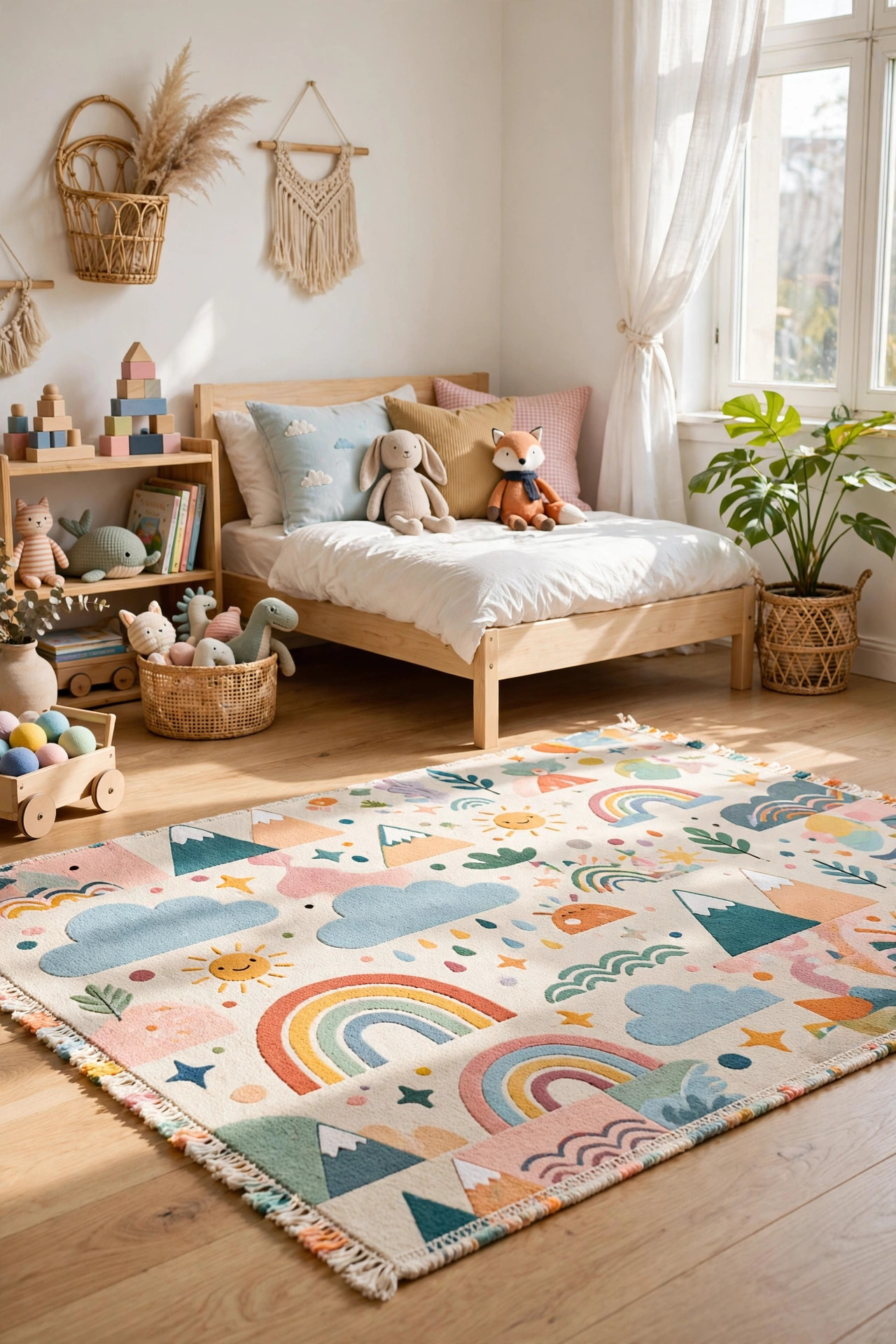
The problem: kids spill everything and rugs get destroyed. The fix: a machine washable rug that you can literally throw in the washer. Juice, paint, mud, all wash out. You get the warmth and color of a rug without the anxiety. This is non negotiable for kids rooms. A rug makes a hard floor cozy for playing, reading, and sprawling, but a traditional rug in a kids room becomes a stained regret within months. Washable rugs solve this completely, giving you the look you want with zero fear.
Choose a washable rug in a fun pattern your child loves, and let them help pick it so they feel ownership. Make sure it fits your washing machine or is light enough to handle easily. Use a rug pad underneath to prevent slipping and to add cushioning for playtime. Wash it as needed and it looks new again, which feels like magic the first time. Keep a spare cheap rug for the wash day gap. This rug lets kids be kids without ruining your floors or your mood, and that peace of mind is priceless. Most washable rugs also resist fading, so the colors stay bright wash after wash. Check the care label before the first wash so you use the right settings.
20. Memory Board Display
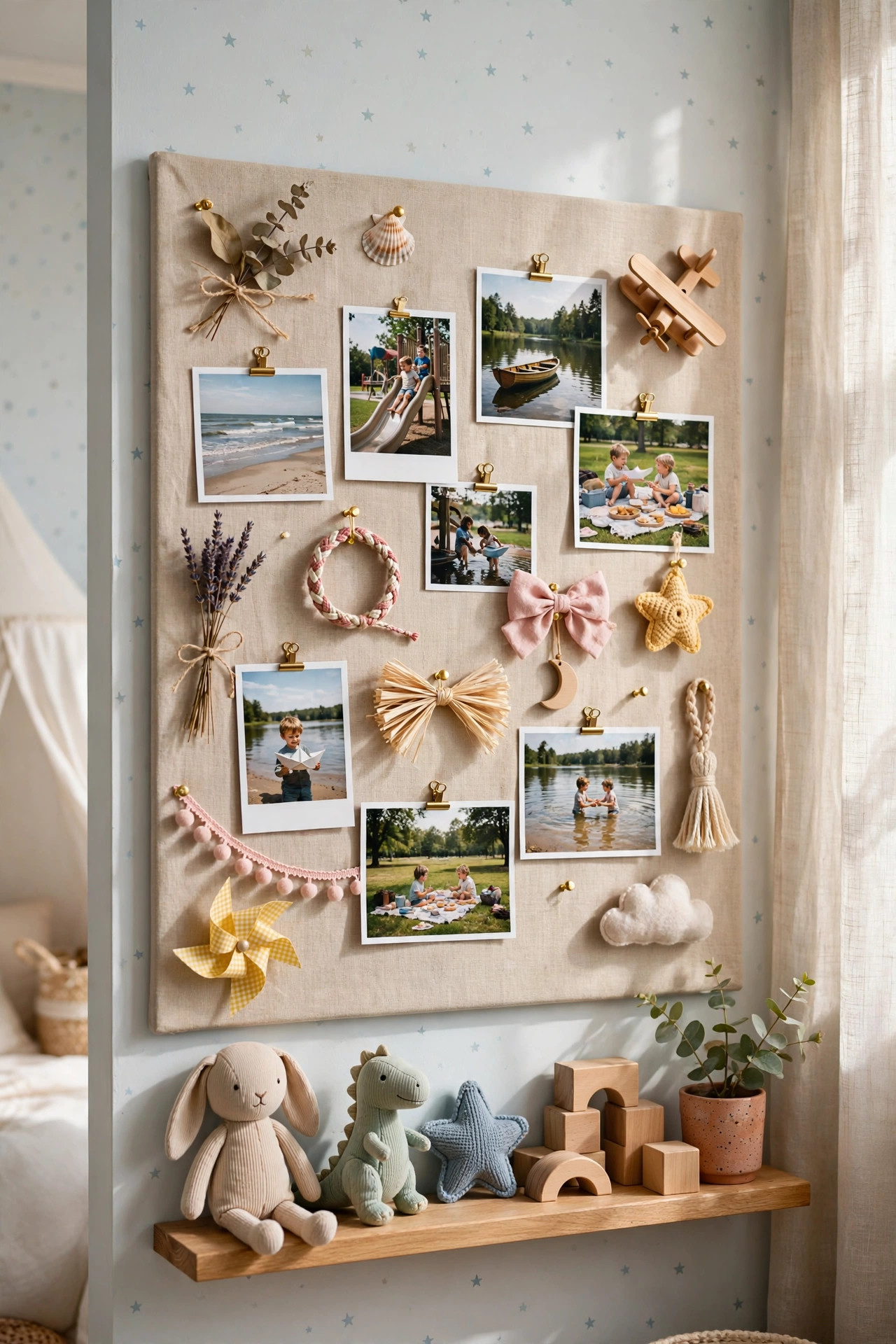
The problem: ticket stubs, photos, and friendship bracelets end up lost in drawers. The fix: a memory board where kids pin the treasures of their childhood. A corkboard or fabric covered board becomes a living scrapbook on the wall. It celebrates their life and friendships daily. Kids collect small meaningful things constantly, and without a home for them, those treasures get crushed, lost, or thrown away by mistake. A memory board says these things matter, and it gives kids a way to curate their own story.
Cover a corkboard with fun fabric for a custom look that matches the room. Provide colorful pins, keeping safety in mind for young kids by using push pins with large heads or supervised pinning. Let them arrange it however they like, it is their story and their rules. Update it together each season, which becomes a sweet ritual of remembering. Photograph the board before big cleanouts so nothing is truly lost. This board becomes a time capsule they will treasure, and looking back at it years later is pure joy. Grandparents love receiving a photo of the updated board as a keepsake. Let your child write the date on each new pin so the timeline stays clear.
21. Flexible Lighting Layers
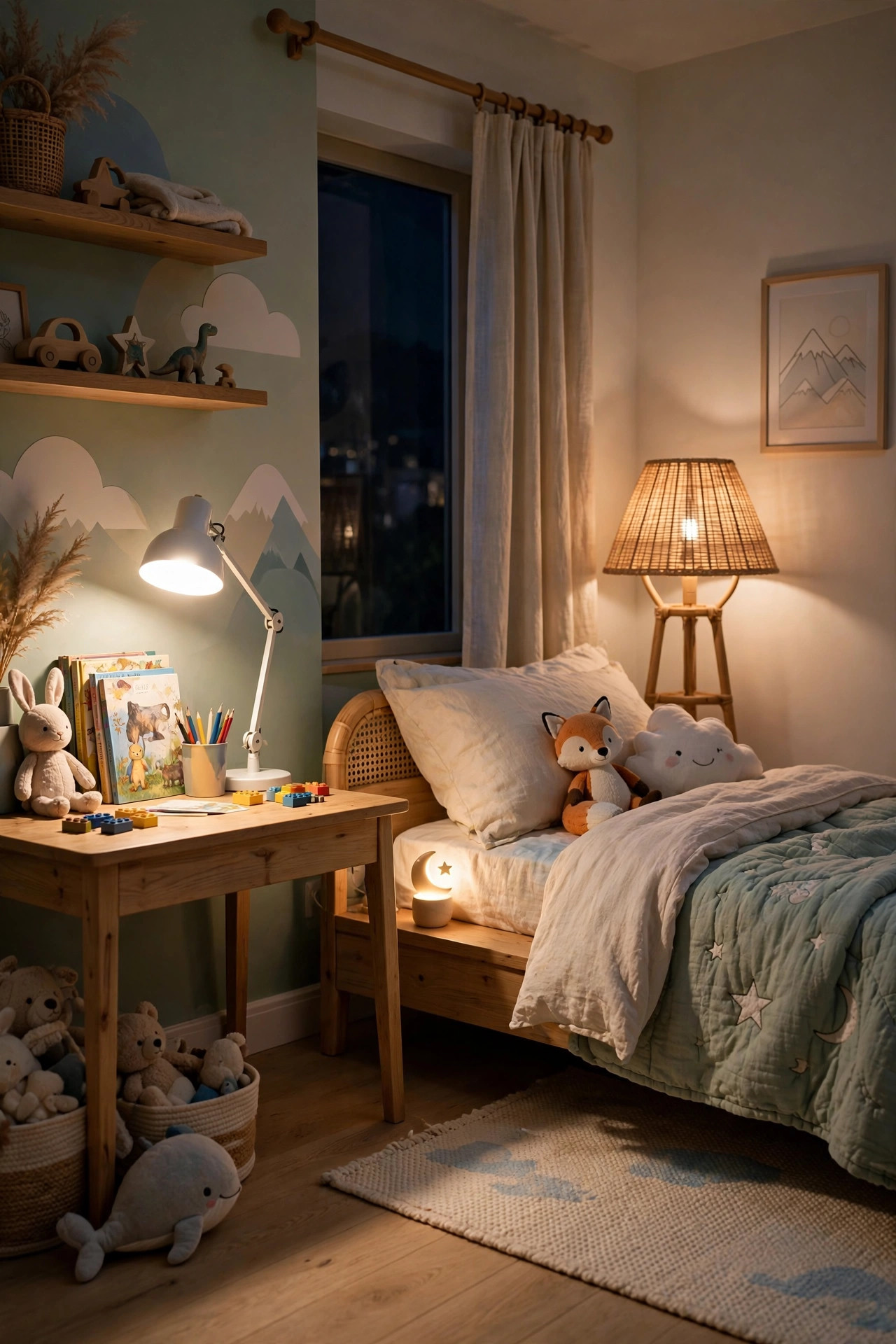
The problem: one harsh overhead light does everything badly, homework, play, and bedtime. The fix: layers of light for different moods and tasks. A bright desk lamp for homework, a soft floor lamp for play, a gentle night light for sleep. The room adapts to the moment instead of fighting it. Kids do wildly different things in their rooms, and expecting one ceiling bulb to serve all of them is why the room always feels wrong. Layered lighting is the same trick designers use in living rooms, and it works just as well for kids.
Add a good desk lamp with adjustable brightness first, since homework matters most and eye strain is real. A fun floor lamp or string lights make the room feel magical and give kids control over their own space. Keep the overhead light for cleaning and emergencies, but do not rely on it daily. Let your child control their own lamps, it teaches them to set their own mood and builds independence. Use LED bulbs to keep things cool and safe to touch. Good lighting grows with them, from picture books to late night studying. A simple plug in timer can automate the night light so nobody forgets.
22. Personal Name Decor
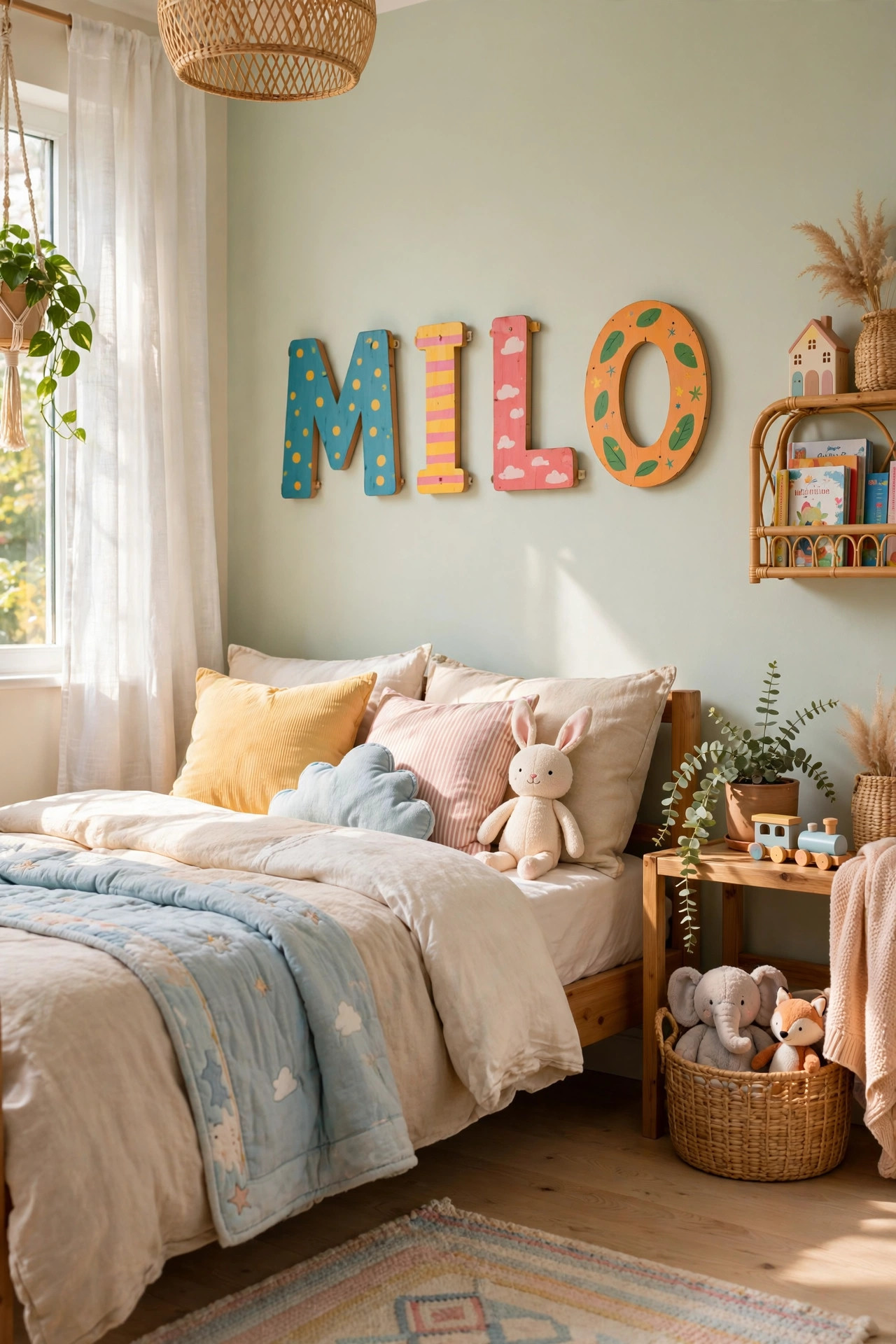
The problem: the room does not feel like theirs, just a room they sleep in. The fix: their name displayed proudly on the wall. Wooden letters, a custom name sign, or a painted initial makes the room unmistakably theirs. It is a small touch with huge emotional impact. Every child deserves to see their name celebrated. A personalized room tells a child they belong, that this space was made with them in mind. That feeling of ownership makes them take better care of the room and feel more at home in it.
Choose wooden letters from a craft store and paint them together as a fun project, which doubles as quality time. Or order a custom name sign in a style they love, from rustic wood to modern acrylic. Hang it above the bed or on the door where it greets them daily. Make sure it is mounted securely, especially for younger kids who might pull on it. Update the style as they grow, from playful letters to a sleek teen sign. This personal mark makes the room feel like home in the deepest sense. It is the finishing touch that says this space belongs to them.
Conclusion
The secret to a kids room that lasts is simple. Solve the real problems with smart foundations, and let the fun stuff be easy to change. Neutral walls, good storage, and flexible furniture carry the room through every phase. The themes and colors can dance on top, changing as fast as your child does. Start with the biggest problem in your child’s room this weekend, and enjoy watching the space grow up alongside them.
FAQs
How do I decorate a kids room that will last for years?
Keep the big expensive things neutral and timeless, walls, bed, dresser. Put personality into easily changed items like bedding, decals, and art. This layered approach lets the room evolve with your child without major renovations every few years.
What is the most important furniture piece for a kids room?
Good storage beats everything. Kids generate astonishing amounts of stuff, and without a system the room becomes chaos. Low cubbies, under bed drawers, and labeled bins keep the room functional. A comfortable bed comes second.
How can I make a small kids room feel bigger?
Use light wall colors, keep the floor as clear as possible with vertical storage, and choose furniture that does double duty like a loft bed with a desk underneath. Mirrors bounce light and create the feeling of more space.
Should I let my child choose their room decor?
Yes, within boundaries you set. Let them choose bedding, decals, and art while you control the big investments like paint and furniture. This gives them ownership without risking expensive mistakes. A child who helped decorate takes better care of the room.
How do I handle toy clutter in a kids room?
Give every toy a labeled home at child height and rotate toys so only half are out at a time. Make cleanup part of the daily routine, even five minutes helps. Cubbies with bins work better than toy boxes, which become bottomless pits.
What lighting does a kids room need?
Layer it like an adult room. Bright task lighting for homework, soft ambient light for play, and a gentle night light for sleep. Avoid a single harsh overhead as the only source. Let kids control their own lamps to build independence.